 Oprato
Natural Living & Holistic Well-being
Educational insights into balanced health, mindful living, and natural approaches to wellness.
Educational content only. No promises of outcomes.
Understanding Holistic Well-being
Holistic well-being recognizes the interconnectedness of mind, body, and spirit. Rather than viewing health as isolated physical outcomes, this approach emphasizes how our mental state, emotional balance, physical activity, dietary choices, and environmental factors collectively influence our overall quality of life and sense of vitality.
A balanced approach to well-being considers how each element of our lifestyle—from what we eat to how we manage stress—contributes to our overall sense of harmony and contentment. This integrated perspective encourages individuals to explore sustainable practices that promote consistent, long-term wellness rather than seeking rapid transformations.
The Foundation of Balanced Nutrition
Balanced nutrition forms the cornerstone of physical well-being. Understanding macronutrients—proteins, carbohydrates, and healthy fats—and micronutrients—vitamins and minerals—helps explain how food fuels our bodies and supports vital functions.
Core Principles
- Whole Foods: Foods in their natural state contain beneficial fiber, nutrients, and compounds.
- Variety: Different foods provide different nutrient profiles, supporting comprehensive nourishment.
- Balance: Combining different food groups throughout the day supports sustained energy and wellness.
- Mindfulness: Paying attention to hunger cues and food choices promotes a healthy relationship with eating.

Integrating Mindful Movement
Physical activity need not be intense or demanding to support well-being. Mindful movement encompasses gentle practices like walking, yoga, stretching, and gardening—activities that keep the body active while fostering presence and enjoyment.
Benefits of Regular Activity
- Enhanced cardiovascular function and circulation
- Improved flexibility, strength, and balance
- Better mental clarity and reduced stress
- Increased energy levels and sense of vitality

Natural Dietary Components Explained
Natural ingredients play important roles in supporting balanced nutrition. Understanding how different plant-based components contribute to our diet helps demystify food and wellness.
Antioxidant-Rich Foods
Fruits like berries, pomegranates, and vegetables such as spinach contain compounds that support cellular health and vitality. These foods are valued in wellness traditions worldwide.
Fiber & Whole Grains
Oats, quinoa, brown rice, and legumes provide sustained energy and support digestive health. Fiber plays a vital role in maintaining balanced bodily functions.
Herbs & Spices
Turmeric, ginger, basil, and other botanicals have been used traditionally to support general wellness and flavor meals naturally. They are recognized for their general properties in balanced diets.
Healthy Fats
Nuts, seeds, avocados, and plant oils provide essential fatty acids important for brain health, hormone balance, and overall cellular function.
Stress Management for Harmonious Living
Chronic stress affects both mental and physical well-being. Learning practical techniques for managing stress supports emotional balance and promotes better overall health outcomes.
Practical Approaches
- Breathing Exercises: Simple techniques that calm the nervous system and promote presence.
- Mindfulness Meditation: Regular practice cultivates awareness and reduces reactive patterns.
- Time in Nature: Natural environments naturally soothe and restore mental clarity.
- Creative Expression: Activities like art, music, and journaling provide emotional outlets.

Sleep and Rest for Vitality
Quality sleep is fundamental to physical recovery, cognitive function, and emotional balance. Understanding sleep cycles and creating restful environments supports the body's natural restorative processes.
Supporting Better Sleep
- Consistent sleep schedules align with natural circadian rhythms
- Creating a calm, dark, cool sleeping environment promotes deep rest
- Limiting screen time before bed supports natural sleep onset
- Relaxation practices prepare the mind and body for restful sleep

The Role of Hydration
Water is essential for virtually every bodily function. From temperature regulation to nutrient transport and cognitive clarity, adequate hydration supports physical performance and mental well-being. General guidelines suggest varying hydration needs based on individual factors such as climate, activity level, and overall health. Mindfully drinking water throughout the day promotes sustained energy and supports the body's natural functions.
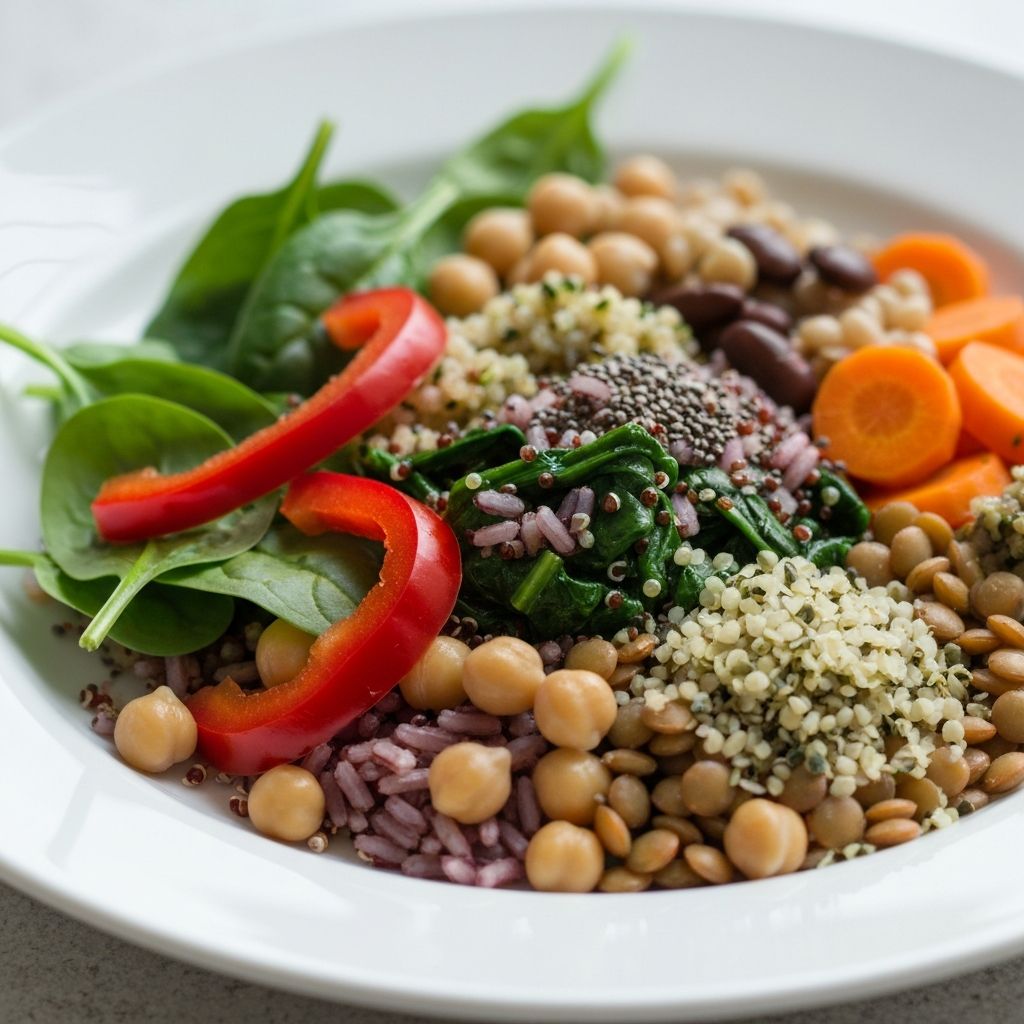
Embracing Plant-Based Eating
Plant-based diets have gained recognition for their potential wellness benefits. Exploring plant-rich nutrition offers insights into diverse, nutrient-dense meal planning for those interested in incorporating more plant foods.
Plant-Based Nutrition Insights
- Variety of plant proteins: legumes, nuts, seeds, and whole grains
- Enhanced micronutrient density from colorful vegetables and fruits
- Plant-based approaches traditionally valued in many wellness traditions
- Sustainable practices supporting long-term dietary consistency
Environmental Factors and Wellness
Our environment significantly influences well-being. Clean air, access to nature, reduced exposure to toxins, and living in harmony with natural rhythms all contribute to sustained health and vitality.
Environmental Wellness
- Time spent in natural environments reduces stress and promotes mental clarity
- Quality air and water support respiratory and physical health
- Minimizing toxin exposure throughout daily life supports long-term wellness
- Seasonal awareness encourages alignment with natural cycles

Cultivating Positive Habits
Sustainable wellness emerges from consistent, small habits rather than dramatic transformations. Building a foundation of positive practices—such as regular movement, mindful eating, adequate rest, and stress management—creates lasting well-being.
Start Small
Introducing one or two new practices at a time ensures they become integrated into daily routines, creating genuine, lasting change rather than short-term shifts.
Consistency Over Intensity
Regular, moderate practices sustained over time produce more meaningful results than intense efforts that fade quickly. Long-term commitment supports true wellness transformation.
Self-Awareness
Observing how different practices affect your well-being helps identify what genuinely serves you, enabling personalized approaches to health and vitality.
Community & Support
Sharing wellness practices with others provides motivation, accountability, and the enrichment that comes from collective commitment to balanced living.
Future of Natural Health
Modern wellness is increasingly recognizing the value of integrating traditional, natural approaches with contemporary science. Forward-thinking health perspectives emphasize personalization, sustainability, and a holistic understanding of well-being.
Emerging Perspectives
- Integration of traditional wellness practices with modern research
- Personalized approaches recognizing individual differences and preferences
- Sustainable, eco-conscious choices supporting both personal and planetary health
- Continuous learning and adaptation as science and wellness wisdom evolve